



Controlled Substances, DEA Drug Classes, Opiods and their Dental Implications
All U.S. Drug Enforcement Administration-registered prescribers (Schedule II, III, IV and/or V) must comply with the Medication Access and Training Expansion (MATE) Act.
From $15 to $35
Description
Reported by the AGD, A New Law Requires 8 Hours of Training as Part of DEA Registration
This new law was included in the omnibus spending bill passed by Congress on Dec. 29, 2022. It requires dentists to complete eight hours of safe prescribing training before renewing or receiving a DEA registration. Training does not need to be continuous and can be done in a variety of settings, including virtually. New applications and renewals must comply effective June 27, 2023. Exempted from this are new dentists who are less than five years out of dental school.
This interactive course complies with 2 hours toward the 8 hour requirement. It also complies with state’s requirements for Controlled Substances
Dr. Petito addresses controlled substances that our patients take, which substances are considered controlled by the US federal drug enforcement agency and how they are classified. Prescribed, as well as illicit and street drugs will be covered in detail. Drug mechanisms of action, what these substances can treat, and potential side effects are reviewed. Implications for dental treatment is covered in depth. Controlled substances possibly affecting the oral cavity is also discussed.
Course Objectives: The Participant will:
- Define what controlled substances are, and how they are classified.
- Match which controlled substances are commonly prescribed, and the diseases that these substances are designed to treat.
- Examine how these medications are “controlled”, and the current problems with prescribing.
- Explain prescribing problems caused by increased government oversight, the rise of retail pharmacy chains, and post-COVID supply chain issues.
- Name which controlled substances are commonly abused.
- Relate medication side effects that may be observed in the oral cavity.
- Recognize the medications that may cause a change in the way we treat a given patient.
- Describe possible medication interactions, reactions, and complications
Original date: 1/4/24, Expiry date: 1/3/27
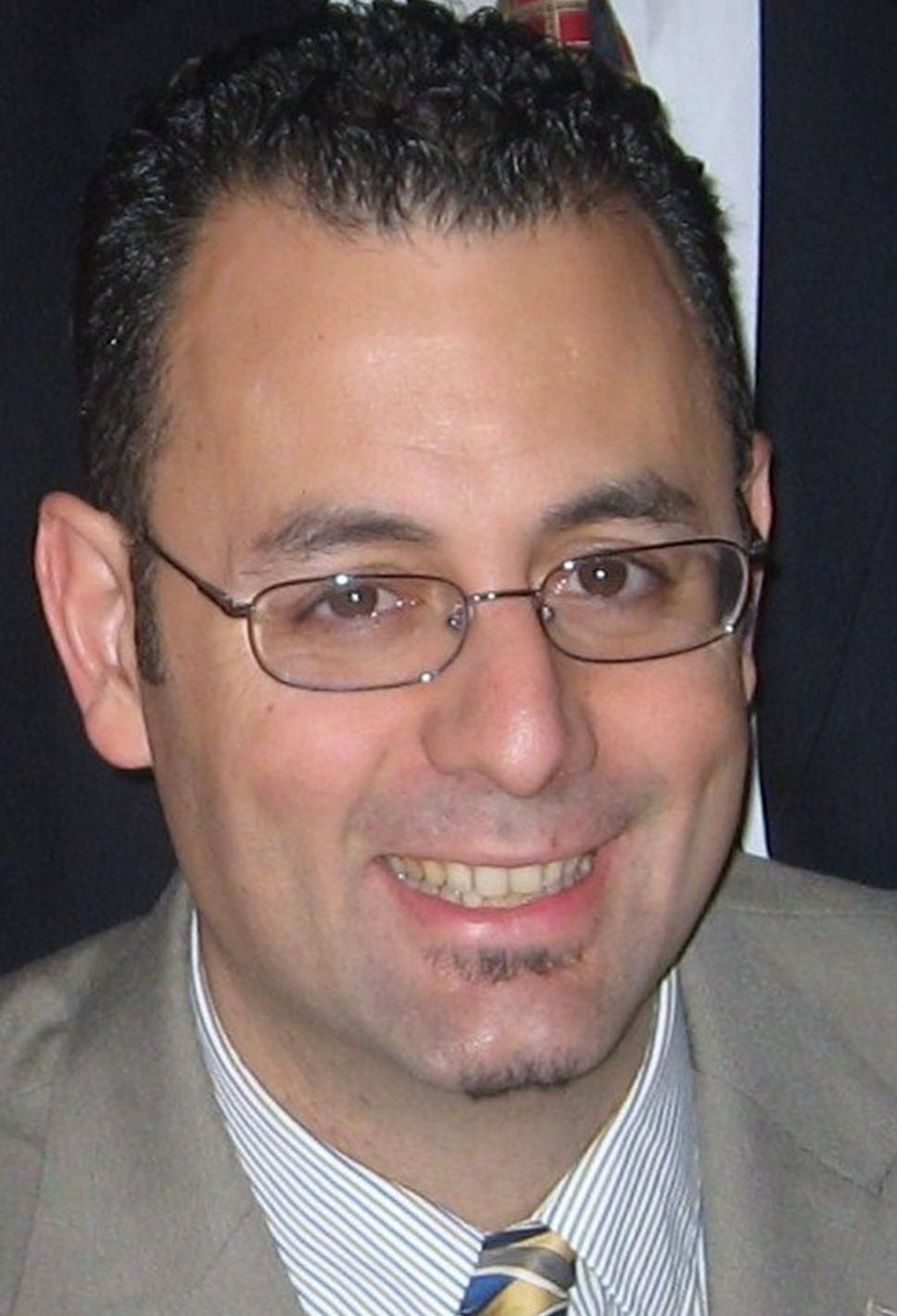
Speaker: Dr. Anthony Petito
Anthony Petito received his DDS from the University of Maryland and his MD from the University of Connecticut. After completing an internship in General Surgery, he completed his residency in Oral and Maxillofacial Surgery, and a fellowship in Orthognathic and Reconstructive Jaw Surgery. He is board certified in Oral and Maxillofacial Surgery and Dental Anesthesiology. He holds Fellowship status in The American College of Surgeons and The American College of Dentists. Dr. Petito served as Clinical Assistant Professor of Surgery at Brown Medical School, and the Chief of Oral & Maxillofacial Surgery and Dentistry at The Miriam Hospital in Providence, Rhode Island. He retired from Hospital practice in 2016, after 18 years. He currently practices office based oral surgery, with an emphasis on anesthesia, dental implantology, and oral medicine.
Disclosures: The speaker has nothing to disclose.
Disclaimers: As per ADA guidelines, participants must use caution when using limited knowledge in treating patients. It is always recommended to do further research and Check your state’s CE mandates for pain management and controlled substances.
CE Provider: Professional Learning Services, LLC (PLS)
PLS is an ADA CERP recognized provider (11/1/2021– 12/31/2025). ADA CERP is a service of the American Dental Association to assist dental professionals in identifying quality providers of continuing dental education. ADA CERP does not approve or endorse individual courses or instructors, nor does it imply acceptance of credit hours by state or provincial Boards of Dentistry.
PLS is designated as an approved Provider by the American Academy of Dental Hygiene, Inc (1/1-12/31/26). Approval does not imply acceptance by a state or provincial Board of Dentistry. 
This webinar is designated for the 2 CEUs. Check your state’s CE regulations for course acceptance.
Additional information
| Subscription Period | |
|---|---|
| CEUs | |
| Intended Audience | |
| Teaching Method | |
| Course Materials |
Related products
-

Top Medication Choices for the Top Ten Illnesses
From: 30.00Select options This product has multiple variants. The options may be chosen on the product page -

Microbiome, Nutrition and Dentistry
From: 30.00Select options This product has multiple variants. The options may be chosen on the product page -
Sale!
Dental Implants…What your Patients Want to Know!
From: 25.00Select options This product has multiple variants. The options may be chosen on the product page -

Full Arch Implant Supported Prosthetics: RDH Considerations
From: $22.00Select options This product has multiple variants. The options may be chosen on the product page